LIFE SMART IAS: Smart technology for the management of invasive species
Share online


What and why?
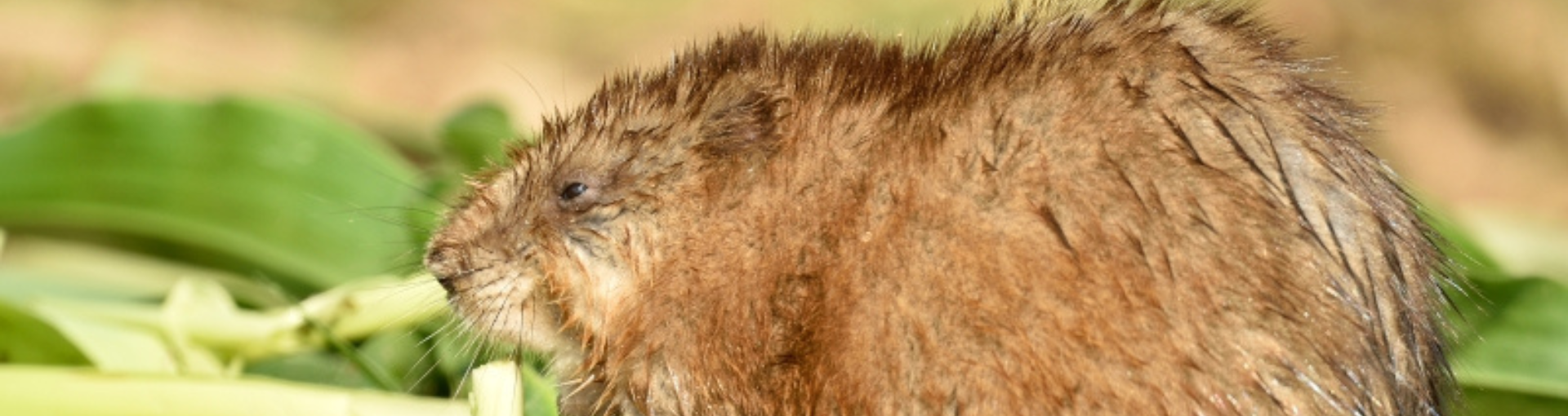
Invasive alien species pose a serious threat to biodiversity and water safety in Europe. Muskrats, coypu, and raccoons are on the European Union's list of invasive alien species due to their impact on native biodiversity, which means that all member states must ensure their monitoring and management. This entails considerable costs.
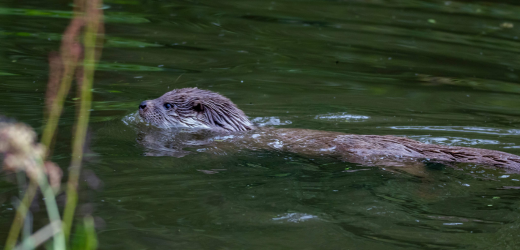
The LIFE SMART IAS project builds on the successful results of the earlier LIFE MICA project and focuses on upscaling and replication of an advanced, smart system for targeted monitoring and capture of IAS, with minimal bycatch of protected species such as otters and beavers.
The project develops and refines four technological components:
- eDNA detection via digital droplet PCR (ddPCR) for accurate monitoring of the presence or absence of species
- Smart traps, equipped with AI and cameras, which only close when target species are recognized
- Cloud-based data infrastructure for real-time data processing and visualizations
- User-friendly apps and dashboards for field workers and policymakers
These technologies make it possible to detect invasive alien species at an early stage and manage them in a targeted manner, while sparing protected species such as otters and beavers. This contributes to biodiversity restoration, water safety, and cost efficiency in the management of IAS.
Aim of the project
- Improving and finalizing the four technological components
- Developing training materials and manuals for broad application
- Developing a guide for upscaling and application to other species and regions
- Rolling out a communication campaign aimed at citizens, policymakers, and managers
Role of the VMM
The VMM contributes to fieldwork in Belgium, focusing on the capture and monitoring of target species. Together with INBO, the VMM is working on optimizing the eDNA metholodgy.
Partners
- Germany
- GEOkomm e.v. (coordinator)
- Naturschutzzentrum im Kreis Kleve n.V.
- Alfred Toepfer Akademie für Naturschutz
- Belgium
- Flanders Environment Agency
- INBO - Research Institute Nature and Forest
- EV INBO - Own Capital INBO
- the Netherlands
- Robor Electronics B.V.
- SpectroAG
- Waterschap Rivierenland
Related projects
Project details
Status
Ongoing
Duration
2024 - 2027
Funding
LIFE